Digital marketing channels are the platforms and methods businesses use to reach their audience online. These channels allow companies to promote products, build relationships, and drive conversions. Understanding different digital marketing channels is essential for creating an effective strategy.
Each channel serves a unique purpose and targets different stages of the customer journey. Some channels focus on awareness, while others are designed for conversion and retention. Combining multiple channels helps businesses achieve better results.
The growth of digital platforms has increased the number of available channels. Businesses can now choose from a variety of options, including search engines, social media, and email. This flexibility allows for customized marketing strategies.
Choosing the right channels depends on your business goals, audience, and budget. By understanding each channel, you can create a balanced and effective marketing plan.
Why Understanding Marketing Channels is Important
Understanding digital marketing channels helps businesses make informed decisions. It allows marketers to select the most effective platforms for their target audience. This improves campaign performance and ROI.
Different channels have different strengths. For example, SEO is ideal for long-term traffic, while PPC provides immediate results. Knowing these differences helps in planning strategies.
Marketing channels also influence customer experience. Using the right channels ensures that customers receive relevant and engaging content. This improves satisfaction and loyalty.
Additionally, understanding channels helps in optimizing budgets. Businesses can allocate resources to channels that deliver the best results.
Main Types of Digital Marketing Channels
Search Engine Optimization (SEO)
Search Engine Optimization is one of the most important digital marketing channels. It focuses on improving website visibility on search engines like Google. By optimizing content and technical aspects, businesses can attract organic traffic.
SEO is a long-term strategy that provides sustainable results. It involves keyword research, content creation, and link building. These elements help websites rank higher in search results.
One of the key benefits of SEO is cost-effectiveness. Unlike paid advertising, it does not require continuous investment. Once a website ranks well, it can generate traffic consistently.
Pay-Per-Click Advertising (PPC)
PPC is a paid digital marketing channel where businesses pay for clicks on their ads. It provides immediate visibility and traffic. Platforms like Google Ads and Bing Ads are commonly used for PPC campaigns.
PPC allows precise targeting based on demographics, location, and behavior. This helps businesses reach the right audience quickly. It is ideal for short-term campaigns and promotions.
One of the advantages of PPC is measurable results. Businesses can track clicks, conversions, and ROI. This makes it easier to optimize campaigns.
However, PPC requires continuous investment. Without proper management, costs can increase quickly. Therefore, it is important to plan campaigns carefully.
Social Media Marketing (SMM)
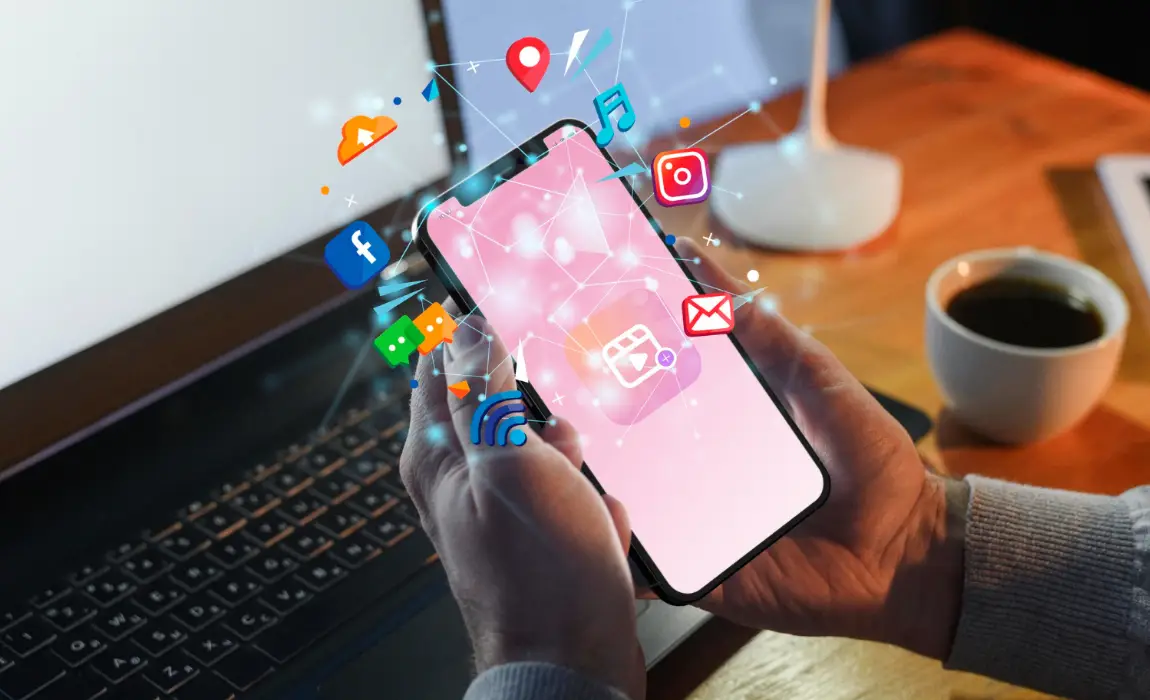
Social media marketing involves using platforms like Facebook, Instagram, LinkedIn, and Twitter to promote products and services. It is one of the most popular digital marketing channels.
SMM helps businesses build brand awareness and engage with their audience. It allows direct interaction through comments, messages, and posts. This improves customer relationships.
Social media also supports both organic and paid strategies. Businesses can post content for free or run paid ads to reach a larger audience.
This channel is particularly effective for visual content and storytelling. It helps brands connect with users on a personal level.
Content Marketing
Content marketing focuses on creating valuable and relevant content to attract and engage the audience. This includes blogs, videos, infographics, and podcasts.
The goal of content marketing is to provide value rather than direct promotion. This helps build trust and authority in a niche. Over time, it leads to higher conversions.
Content marketing works closely with SEO. Optimized content can rank on search engines and drive organic traffic. This makes it a powerful long-term strategy.
Consistency is key in content marketing. Regularly publishing high-quality content helps maintain audience engagement.
Email Marketing
Email marketing is a direct communication channel that allows businesses to connect with their audience. It involves sending newsletters, promotions, and updates via email.
This channel is highly effective for lead nurturing and customer retention. It helps businesses maintain relationships and encourage repeat purchases.
Email marketing offers high ROI compared to other channels. It is cost-effective and provides measurable results.
Personalization is a key feature of email marketing. Businesses can tailor messages based on user behavior and preferences.
Affiliate Marketing
Affiliate marketing involves promoting products through partners or affiliates. Affiliates earn a commission for each sale generated through their referral.
This channel helps businesses expand their reach without significant upfront costs. It is performance-based, meaning businesses only pay for results.
Affiliate marketing is commonly used in e-commerce and digital products. It relies on partnerships and trust between businesses and affiliates.
Managing affiliate programs requires proper tracking and communication. This ensures fair compensation and effective collaboration.
Influencer Marketing
Influencer marketing involves collaborating with individuals who have a strong online presence. These influencers promote products to their audience.
This channel is effective for reaching targeted audiences and building trust. Influencers have established credibility, making their recommendations valuable.
Influencer marketing is popular on social media platforms. It is particularly effective for lifestyle, fashion, and tech industries.
Choosing the right influencer is crucial. Their audience should align with the brand’s target market.
Video Marketing
Video marketing uses video content to promote products and engage audiences. Platforms like YouTube and TikTok are popular for this channel.
Videos are highly engaging and can convey information effectively. They are suitable for tutorials, product demos, and storytelling.
Video marketing also supports SEO. Optimized videos can rank on search engines and attract traffic.
This channel is growing rapidly and is expected to dominate digital marketing in the future.
Mobile Marketing
Mobile marketing focuses on reaching users through mobile devices. This includes apps, SMS, and mobile-friendly websites.
With the increasing use of smartphones, mobile marketing has become essential. It allows businesses to connect with users anytime and anywhere.
Mobile marketing supports personalized and location-based campaigns. This improves relevance and engagement.
Ensuring mobile optimization is crucial for success. Websites and content should be responsive and user-friendly.
Paid vs Organic Digital Marketing Channels
Organic Channels
Organic channels include SEO, content marketing, and social media posts. These channels do not require direct payment for traffic.
They focus on building long-term relationships and trust. Organic strategies take time but provide sustainable results.
Businesses use organic channels to establish authority and credibility. This helps in attracting loyal customers.
Paid Channels
Paid channels include PPC, social media ads, and influencer marketing. These channels require investment but provide immediate results.
Paid strategies are ideal for promotions and quick traffic. They allow precise targeting and measurable outcomes.
Combining paid and organic channels is the best approach. This ensures both short-term and long-term success.
How to Choose the Right Marketing Channels
Choosing the right channels depends on your business goals and audience. It is important to identify where your target audience spends time online.
Budget is another important factor. Some channels require more investment than others. Businesses should allocate resources wisely.
Testing and optimization are essential. Trying different channels helps identify what works best. This improves overall performance.
A balanced strategy using multiple channels is recommended. This ensures maximum reach and effectiveness.
Future of Digital Marketing Channels
Digital marketing channels are constantly evolving. New platforms and technologies are emerging, providing more opportunities for businesses.
Artificial intelligence and automation will play a major role in the future. These technologies will improve efficiency and personalization.
Voice search and video content are also growing trends. Businesses need to adapt to these changes to stay competitive.
The future of digital marketing channels will focus on integration and user experience. This will create more effective and engaging strategies.
Conclusion
Digital marketing channels are essential for reaching and engaging audiences online. Each channel has its own strengths and applications. Understanding these channels helps businesses create effective strategies.
By combining different channels, businesses can achieve better results. This ensures a balanced approach to marketing.
As digital marketing continues to evolve, staying updated is crucial. This helps businesses remain competitive and successful.
FAQs
1. What are digital marketing channels?
They are platforms used to promote products online, such as SEO, social media, and email.
2. Which digital marketing channel is best?
It depends on your goals; SEO is best for long-term, PPC for quick results.
3. What is the difference between SEO and PPC?
SEO is organic, while PPC is paid advertising.
4. Are social media channels effective?
Yes, they are highly effective for engagement and brand awareness.
5. How many marketing channels should I use?
A combination of multiple channels is recommended.