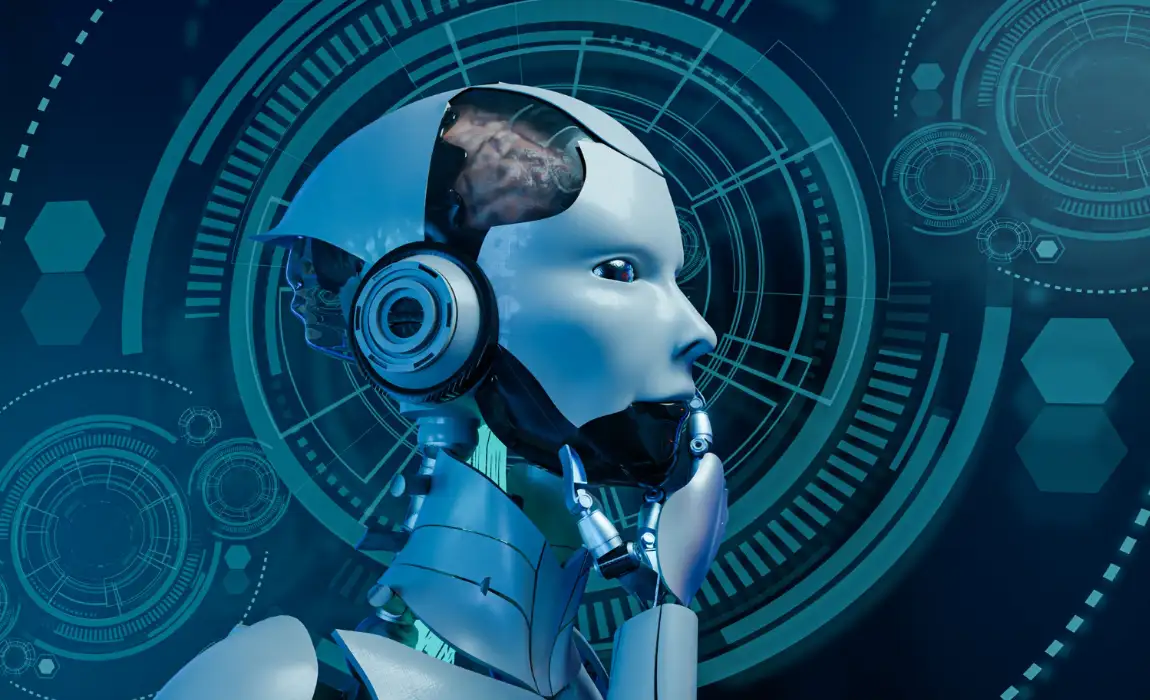
Artificial Intelligence, commonly known as AI, is one of the most revolutionary technologies shaping the modern world. It refers to the ability of machines or computer systems to perform tasks that typically require human intelligence. These tasks include learning, reasoning, problem-solving, decision-making, and understanding language. AI is no longer a futuristic concept; it is already integrated into our daily lives through various digital tools and platforms.
Over the past decade, artificial intelligence has evolved rapidly due to advancements in computing power, data availability, and algorithms. Today, AI systems can process vast amounts of data in seconds, making them more efficient than humans in many scenarios. This has led to widespread adoption across industries such as healthcare, finance, marketing, and technology.
AI is not just a single technology but a combination of multiple disciplines. It includes machine learning, deep learning, natural language processing, and robotics. Each of these components plays a crucial role in enabling machines to simulate human intelligence and perform complex tasks.
Understanding artificial intelligence is essential for anyone looking to stay relevant in the digital era. Whether you are a beginner or an advanced learner, gaining knowledge about AI will help you understand how technology is shaping the future.
Artificial Intelligence Definition and Meaning
Artificial Intelligence can be defined as the simulation of human intelligence in machines that are programmed to think and act like humans. These systems are designed to learn from experience, adapt to new inputs, and perform tasks without human intervention. In simple terms, AI enables machines to mimic human cognitive functions.
The meaning of AI goes beyond automation. Traditional software follows fixed instructions, whereas AI systems can learn and improve over time. This makes AI more flexible and capable of handling complex problems. It allows machines to analyze data, recognize patterns, and make decisions based on insights.
AI is used in various contexts, from business applications to personal devices. In business, it helps automate processes and improve efficiency. In daily life, it powers virtual assistants, recommendation systems, and smart devices. This widespread use highlights the importance of understanding AI in today’s world.
As AI continues to evolve, its definition is expanding. Modern AI includes advanced technologies such as neural networks and deep learning, which enable machines to perform tasks with high accuracy and efficiency.
Importance of Artificial Intelligence in Modern World
Artificial Intelligence plays a crucial role in today’s digital landscape. It has transformed the way businesses operate, making processes faster, more efficient, and cost-effective. Companies use AI to analyze data, predict trends, and improve customer experiences, giving them a competitive advantage.
In everyday life, AI enhances convenience and accessibility. From voice assistants to smart home devices, AI simplifies tasks and improves user experience. It allows people to interact with technology in a more natural and intuitive way, making digital tools more user-friendly.
AI is also important for innovation. It enables the development of new technologies and solutions that were not possible before. For example, AI-powered systems can diagnose diseases, automate transportation, and optimize energy usage, contributing to advancements in various fields.
The growing importance of AI highlights the need for individuals and organizations to understand and adopt this technology. It is not just a trend but a fundamental shift in how technology is used and developed.
History and Evolution of Artificial Intelligence
The concept of artificial intelligence dates back to the 1950s when researchers first explored the idea of machines that could think. Early AI systems were based on symbolic reasoning and simple algorithms. These systems could perform basic tasks but lacked the ability to learn and adapt.
During the 1980s and 1990s, AI research faced challenges due to limited computing power and data availability. This period, known as the “AI winter,” slowed down progress in the field. However, researchers continued to develop new approaches and technologies.
The rise of big data and advanced computing in the 21st century marked a turning point for AI. Machine learning algorithms became more effective, allowing systems to learn from large datasets. This led to significant advancements in AI applications and increased adoption across industries.
Today, AI is at the forefront of technological innovation. It powers various applications, from recommendation systems to autonomous vehicles. The evolution of AI reflects the rapid growth of technology and its impact on society.
How Artificial Intelligence Works
Artificial Intelligence works by combining data, algorithms, and computing power to simulate human intelligence. The process begins with data collection, where large amounts of information are gathered from various sources. This data serves as the foundation for AI systems.
The next step is data processing, where the collected data is cleaned and organized. This ensures that the data is accurate and suitable for analysis. AI systems use this processed data to identify patterns and relationships.
Machine learning algorithms play a key role in AI. These algorithms allow systems to learn from data and improve over time. By analyzing patterns, AI systems can make predictions and decisions with increasing accuracy.
Finally, AI systems use the insights gained from data analysis to perform tasks. These tasks can range from simple actions like recommending products to complex operations like diagnosing diseases. This step-by-step process enables AI to function effectively.
Core Components of Artificial Intelligence
Artificial Intelligence consists of several core components that work together to create intelligent systems. One of the most important components is machine learning, which enables systems to learn from data and improve over time. It forms the foundation of most AI applications.
Another key component is natural language processing (NLP), which allows machines to understand and interpret human language. This technology is used in chatbots, virtual assistants, and translation tools. It enables seamless communication between humans and machines.
Computer vision is another essential component of AI. It allows machines to interpret and analyze visual information, such as images and videos. This technology is used in applications like facial recognition and autonomous vehicles.
Robotics is also a significant part of AI. It involves the design and development of machines that can perform physical tasks. These robots are used in industries such as manufacturing and healthcare, enhancing efficiency and productivity.
Types of Artificial Intelligence
Artificial Intelligence can be classified into different types based on its capabilities. The most common types include Narrow AI, General AI, and Super AI. Each type represents a different level of intelligence.
Narrow AI is designed to perform specific tasks. It is the most widely used form of AI and includes applications like voice assistants and recommendation systems. These systems are efficient but limited to their specific functions.
General AI refers to systems that can perform any intellectual task that a human can do. This type of AI is still in development and has not been fully achieved. It represents the next stage of AI evolution.
Super AI is a hypothetical concept where machines surpass human intelligence. This level of AI could solve complex problems but also raises ethical concerns. Understanding these types helps in exploring the future of AI.
Artificial Intelligence vs Machine Learning vs Deep Learning
Artificial Intelligence, Machine Learning, and Deep Learning are often used interchangeably, but they are different concepts. AI is the broader field that focuses on creating intelligent systems. It includes various technologies and approaches.
Machine Learning is a subset of AI that focuses on learning from data. It uses algorithms to analyze data and make predictions. This approach allows systems to improve over time without being explicitly programmed.
Deep Learning is a subset of machine learning that uses neural networks to process data. It is used for complex tasks such as image and speech recognition. Deep learning enables AI systems to achieve high levels of accuracy.
Understanding the differences between these concepts is important for anyone interested in AI. It helps in identifying the specific technologies and applications used in different scenarios.
Real-Life Examples of Artificial Intelligence
Artificial Intelligence is widely used in everyday life, often without people realizing it. One of the most common examples is virtual assistants like Siri and Alexa, which use AI to understand and respond to user queries.
Another example is recommendation systems used by platforms like Netflix and Amazon. These systems analyze user behavior to suggest relevant content and products. This improves user experience and increases engagement.
AI is also used in healthcare for diagnosing diseases and analyzing medical data. It helps doctors make accurate decisions and improves patient outcomes. This demonstrates the potential of AI in saving lives.
In transportation, AI powers autonomous vehicles and traffic management systems. These applications enhance safety and efficiency, making transportation more reliable and convenient.
Benefits of Artificial Intelligence
Artificial Intelligence offers numerous advantages, making it a valuable technology. One of the main benefits is increased efficiency, as AI systems can perform tasks faster and more accurately than humans.
AI also improves decision-making by analyzing large datasets and providing insights. This helps organizations make informed decisions and achieve better results.
Another benefit is personalization. AI enables tailored experiences for users, improving customer satisfaction. This is particularly important in industries like marketing and e-commerce.
Additionally, AI drives innovation by enabling new technologies and solutions. It plays a crucial role in advancing various fields and improving quality of life.
Disadvantages and Risks of AI
Despite its benefits, AI also has drawbacks. One of the main concerns is job displacement due to automation. This may lead to changes in the job market and require new skills.
Data privacy is another major issue. AI systems rely on large amounts of data, raising concerns about how this data is used and protected. Ensuring data security is essential.
Ethical concerns are also significant. Issues such as bias and fairness need to be addressed to ensure responsible use of AI. This requires proper guidelines and regulations.
Finally, over-reliance on AI can be risky. While AI is powerful, it should not replace human judgment entirely. Balancing AI and human involvement is crucial.
Future Scope of AI
The future of artificial intelligence is promising and full of opportunities. AI is expected to become more advanced and integrated into various aspects of life. This will lead to new applications and innovations.
One of the key trends is the development of more advanced machine learning models. These models will enable AI systems to perform complex tasks with greater accuracy and efficiency.
AI will also impact the job market by creating new opportunities. While some jobs may be replaced, new roles will emerge in AI-related fields. This highlights the importance of adapting to technological changes.
Overall, the future of AI depends on responsible development and ethical considerations. By addressing challenges, AI can contribute to a better and more efficient world.
Conclusion
Artificial Intelligence is a powerful technology that is transforming the modern world. From its basic definition to advanced applications, AI plays a crucial role in various industries. Understanding its concepts, benefits, and challenges is essential for staying relevant in the digital age.
As AI continues to evolve, it will create new opportunities and reshape industries. By embracing this technology responsibly, we can harness its potential and build a better future.
FAQs
1. What is Artificial Intelligence in simple words?
AI is the ability of machines to perform tasks that require human intelligence.
2. What are the types of AI?
Narrow AI, General AI, and Super AI.
3. Where is AI used?
Healthcare, business, smartphones, and transportation.
4. Is AI the future?
Yes, AI is expected to play a major role in future technologies.
5. Can AI replace humans?
AI can automate tasks but cannot fully replace human intelligence.